Where to Find Sheffield-Made Gifts and Local Makers
Start with Sheffield Makers at the Winter Garden and Hunters Bar, then ask the questions that distinguish a local designer from local manufacture.
Published
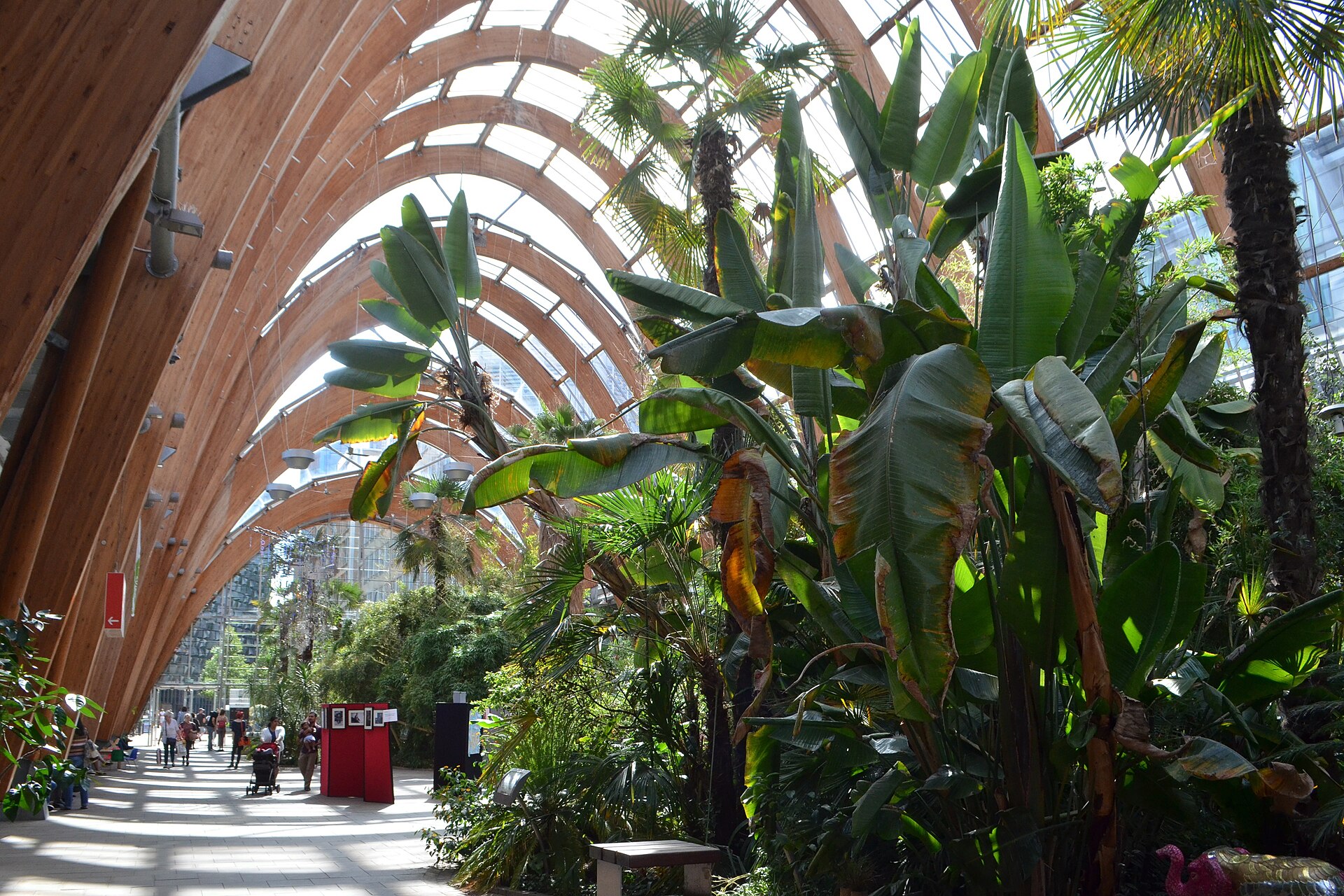

Finding Sheffield-made gifts starts with deciding which local connection matters to you. Sheffield Makers offers a useful starting point: Welcome to Sheffield’s visitor directory describes its Winter Garden shop as exclusively selling work by makers and artists who live in Sheffield. That establishes a connection to local people, while the production history of an individual gift deserves a closer look.[1]
Start With Sheffield Makers
At the Winter Garden shop, the makers and artists work together to run the business, according to the directory. For someone who wants their gift to support a Sheffield resident’s creative work, that is a specific reason to begin here. Ask whose work you’re considering and what that person contributed to the finished object.[1]
Sheffield Makers in Hunters Bar provides another lead. Its directory entry describes ranges from local makers, including cards, gifts, candles, kitchenware and jewellery. Those categories give you somewhere to start if you’re choosing between a small token, something useful for the home and something personal to wear.[1]
For a recipient whose taste you know well, begin with the object they’d actually enjoy using. For someone you know less closely, a card may be an easier choice than jewellery. Then ask about the maker behind your selection. A shop’s local focus helps narrow the search, but the individual item is where you can establish exactly what you’re supporting.[1]
What Does Sheffield-Made Mean for Your Gift?
The Winter Garden description makes a clear claim about where its makers and artists live. The Hunters Bar description identifies local makers and product categories. Neither description explains every production stage for every item, so keep the person’s location and the object’s manufacturing location as separate questions.[1]
You might be happy with a gift designed by a Sheffield artist. If your priority is an object physically produced in the city, ask where the relevant work happened. With a print, that means asking about the printing as well as the artwork. With jewellery, ask which parts the maker creates or assembles. These questions make your preference easier for the seller to answer.[1]
- Who designed or made this particular item, and where are they based?
- Where was the physical item produced?
- Which stages of the work took place in Sheffield?
- Is there a maker’s name or product description I can pass on with the gift?
Keep the explanation you give the recipient equally precise. If you’ve established that the designer lives in Sheffield, describe it that way. Use “made in Sheffield” when you’ve confirmed the production connection you mean. There may still be a distinction between local making and the origin of bought-in materials or components.[1]
When a Vintage Gift Fits Better
For someone who prefers older objects, Dronfield Antiques of Sheffield offers a different starting point. Welcome to Sheffield’s Antiques Quarter directory describes a family-run antique furniture shop on Abbeydale Road, with antiques, vintage and retro items. This is a lead for a gift bought locally, with a separate question about where it was originally made.[2]
If Sheffield origin matters, ask what evidence accompanies the particular object. A maker’s mark or documented history may give you something to investigate, but a Sheffield shop address alone cannot settle its origin. Choose an older piece for its appeal to the recipient, then establish how confidently you can describe its local connection.[2]
Before You Set Out
Choose your first enquiry around the gift: the Winter Garden shop for its stated Sheffield-resident maker policy, or Hunters Bar for its listed categories. Check current trading details and ask about the item you want before travelling. If local manufacture is essential, make that the opening question.[1]
Sources and checks
These sources were used for this article. Availability, prices and service details can change after the stated check date.
- Retail
Checked 20 October 2026.
Sheffield Makers’ Winter Garden shop exclusively sells items by makers and artists living in Sheffield. Those makers and artists work together to run the Winter Garden shop. Sheffield Makers has a shop in Hunters Bar stocking ranges from local makers. The Hunters Bar listing includes cards, gifts, candles, kitchenware and jewellery. The descriptions establish connections to local makers without specifying every item’s production stages or manufacturing location.
- Antiques Quarter
Checked 20 October 2026.
Dronfield Antiques of Sheffield is described as a family-run antique furniture shop. The shop is on Abbeydale Road in Sheffield’s Antiques Quarter. Its listing identifies antiques, vintage and retro items without establishing their original manufacturing locations.